


Blog
UPS vs Inverter: Which one do you really need?

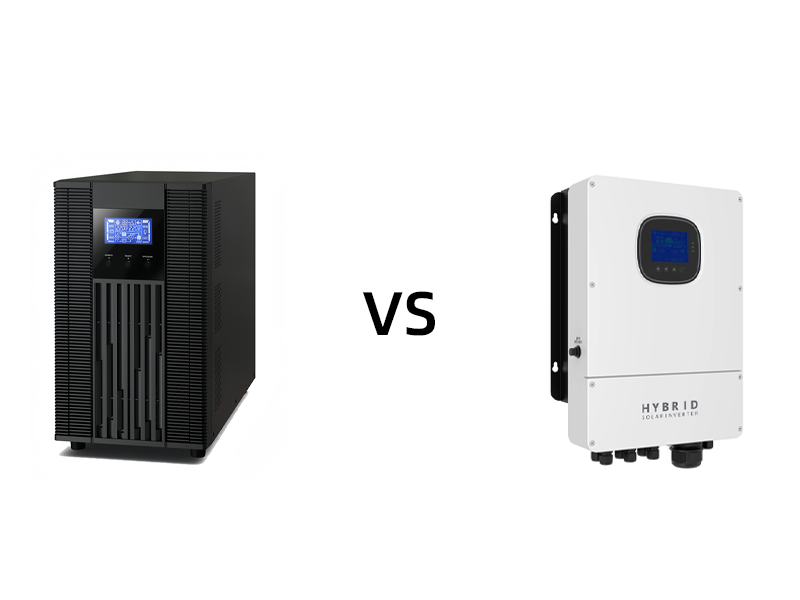

Sitting at your desk in Beirut, you know the moment when EDL cuts out and the monitor goes dark. The generator has not yet kicked in. That gap is what a UPS or an inverter tries to fill. The problem is most people think these two things do the same job. They do not perform the same function. Buying the wrong one usually leads to wasted money or a fridge that shuts off whenever the power drops.
Let’s clear it up properly.
What a UPS Is Actually Built For
A UPS, or uninterruptible power supply, exists to ensure sensitive electronics never see a power gap, not even briefly. The moment EDL or your generator line drops, the UPS switches to battery in under 10 milliseconds. That’s fast enough that your computer, router, or gaming console never even registers the interruption.
What it’s not built for is keeping your lights or fridge running for hours. Most home and office UPS units, like the Comet range we manufacture, are sized for brief runtime. They run 10 to 45 minutes, depending on load. That’s plenty of time to save your work, shut down properly, or wait out a short blip — but it’s not a substitute for whole-home backup.
Think of a UPS as insurance against the exact moment the power drops, not a way to live through the outage itself.
What an Inverter Actually Does
An inverter is a different animal entirely. It draws from a much larger battery bank — usually charged either from EDL, your generator, or solar panels — and it’s designed to carry real household loads for hours at a time, not minutes. Lights, your fridge, the router, TV, water pump — an inverter setup sized correctly can carry all of that through a multi-hour outage.
The catch is switchover time. A standard inverter takes anywhere from a few hundred milliseconds to a couple of seconds to kick in once it senses the power has dropped. For a fridge or a light bulb, that’s completely irrelevant — you won’t even notice. But for a desktop computer or anything with sensitive electronics, that gap is enough to cause a crash or a restart.
That’s the whole distinction in a nutshell: a UPS protects against the interruption itself, an inverter powers you through the outage that follows.
UPS vs Inverter: Comparing Them Side by Side
| Feature | UPS | Inverter |
|---|---|---|
| Switchover time | Under 10ms | 100ms – 2 seconds |
| Typical runtime | 10–45 minutes | Several hours (battery-dependent) |
| Best suited for | Computers, routers, PS4, POS systems | Fridge, lighting, TV, water pump |
| Battery size | Small, internal | Large external bank |
| Portability | Plug-and-play | Fixed installation |
Do You Actually Need Both?
For most households in Lebanon, yes — and this is the setup we recommend to nearly every customer who walks into our Dekwaneh, Sarba, or Jbeil branch. The inverter handles the bulk of your home’s power needs during a cut. The UPS sits specifically on your desk or entertainment unit, protecting the one or two devices that genuinely can’t tolerate even a half-second gap.
If you work from home and a dropped call or a corrupted file is a real cost to you, skipping the UPS is usually a false economy. It’s a relatively small purchase next to what a crashed hard drive or a lost afternoon of work actually costs you.
So Which One Should You Buy First?
If you’re starting from zero and have to pick one:
- Pick a UPS first if your main concern is protecting a computer, gaming setup, or home office equipment, and you already have a generator subscription covering the rest of the house.
- Pick an inverter first if your priority is keeping the fridge cold, the lights on, and the router alive through longer outages — especially if you don’t currently have generator access at all, or you’re trying to reduce how much you rely on it.
Most people end up with both eventually. It’s just a question of which gap you’re trying to close right now.
If you’re weighing a full solar-plus-battery setup instead of just an inverter, our guide to sizing a solar panel system walks through the same essentials-first approach.
Frequently Asked Questions
Can a UPS run my whole house? No. A standard home UPS is designed for a handful of low-wattage electronics for a short window — typically under an hour. Running a fridge or AC unit off a UPS would drain it in minutes and isn’t what the equipment is built for.
How long will an inverter keep my fridge running during a cut? It depends entirely on your battery bank size and what else is drawing power at the same time. As a rough example, a mid-sized lead-acid battery bank paired with a 1500W–2000W inverter can typically carry a fridge, some lighting, and a router for several hours. Larger battery banks or lithium setups extend that considerably.
Is a more expensive UPS always better? Not necessarily — it depends on load. A UPS sized for a single desktop and router doesn’t need the same capacity as one meant to protect a small server rack or multiple workstations. Match the UPS to your actual equipment, not the other way around.
Can I add a UPS later if I already have an inverter? Yes, easily. The two work independently of each other. Most customers install the inverter first for whole-home coverage, then add a UPS afterward for specific sensitive equipment.