


Blog
How Many Solar Panels Do You Need in Lebanon? An easy guide to stop overspending!

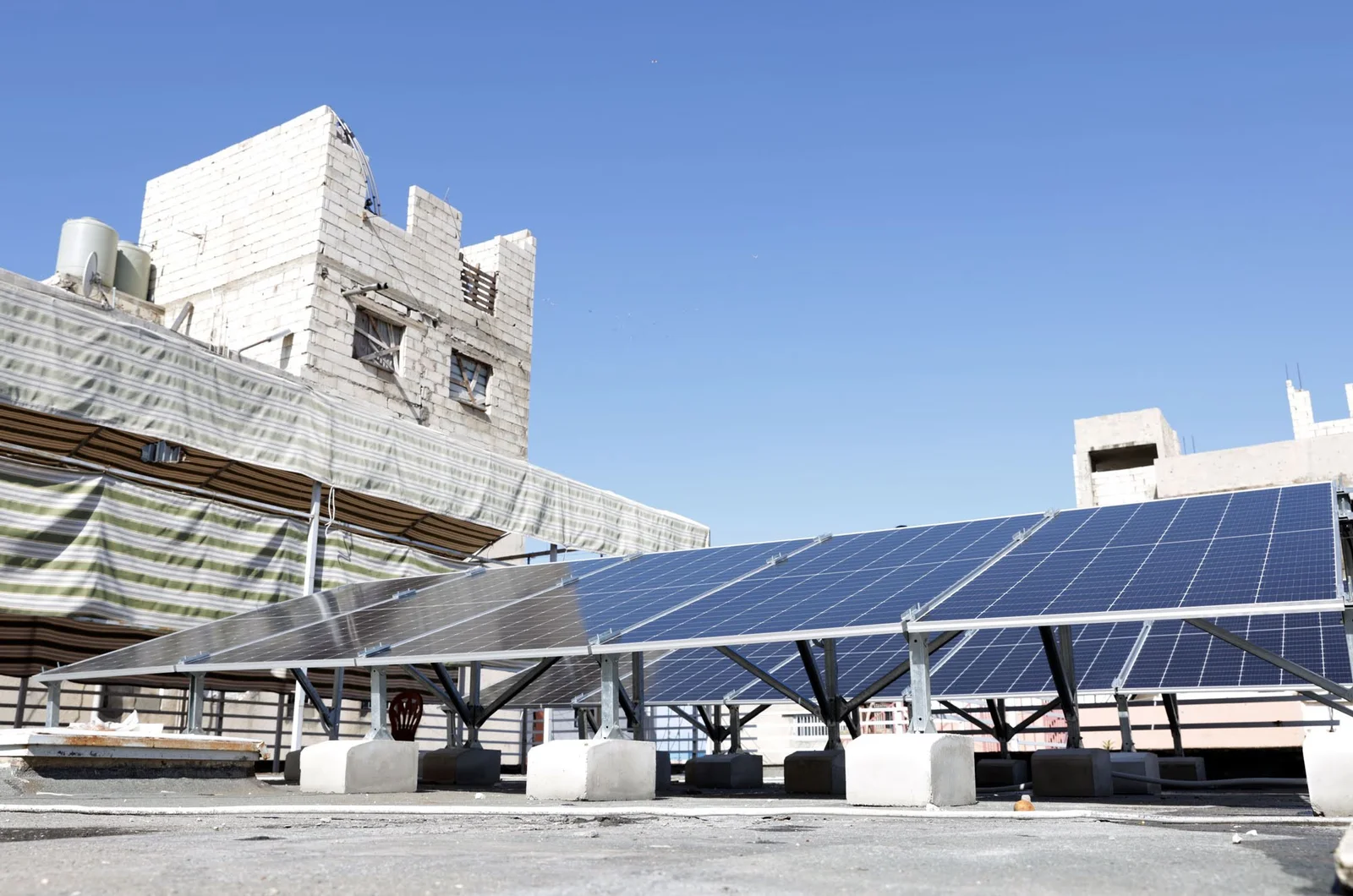
How to Size a Solar Panel System for Your Home (Without Guessing)
Ask five different people how many solar panels they need for their house in Lebanon and you’ll get five different answers, none of which are based on anything they actually calculated. Most people buy panels first and figure out the rest later, which is exactly backwards, and it’s why so many solar setups end up either under powered or way more expensive than they needed to be.
Sizing a system properly isn’t complicated. It just needs to be done in the right order.
Step 1: Work Out What You’re Actually Consuming
Before anything else, you need a real number for your daily consumption in watt-hours (Wh). Grab the label on the back or bottom of your main appliances — it’ll list the wattage. Multiply that by how many hours a day you actually use it.
A rough starting point for a typical Lebanese household:
- Refrigerator: ~150W running, ~1,800Wh/day (fridges cycle on and off, they don’t run constantly)
- LED lighting (whole home): ~100W for 5 hours = 500Wh/day
- Router + modem: ~15W for 24 hours = 360Wh/day
- TV: ~120W for 4 hours = 480Wh/day
- Water pump: ~750W for 20 minutes/day = ~250Wh/day
Add those up and you’re already sitting around 3,400Wh/day just for the essentials, before you’ve touched a washing machine, AC unit, or oven, all of which draw significantly more.
Step 2: Decide What the System Actually Needs to Cover
This is the step most people skip, and it’s the one that saves the most money. You don’t have to size for your entire home. In fact, almost nobody in Lebanon does — heavy loads like AC, electric ovens, and washing machines are usually still left on EDL or generator power, while solar covers the essentials: fridge, lighting, router, TV, and water pump.
Deciding this upfront changes your target number dramatically. Sizing for “everything” versus sizing for “the essentials” can be a 3–4x difference in panel count and cost.
Step 3: Turn Your Daily Consumption Into a Panel Count
Lebanon gets roughly 5 to 5.5 hours of usable peak sunlight per day on average across the year (less in winter, more in summer). That number — not the full 12+ hours of daylight — is what your panels actually produce at close to full output – Global Solar Atlas
The formula:
Daily Wh needed ÷ peak sun hours ÷ panel wattage = number of panels
Using our example of 3,400Wh/day of essential loads:
3,400 ÷ 5 = 680W of panel capacity needed, before accounting for system losses
Real-world systems lose roughly 15–20% to things like inverter conversion, wiring resistance, panel angle not being perfect, and dust buildup. So add that back in:
680W × 1.2 = ~820W required
If you’re using 550W panels (a common panel size in the current market), that’s:
820 ÷ 550 = 1.5 → round up to 2 panels
That’s a smaller number than most people expect; which is exactly why sizing properly, rather than guessing, matters. Buying 6 panels when 2 would cover your essentials is money that could have gone toward a bigger battery bank instead, which is usually the more meaningful upgrade.
Step 4: Size Your Battery Bank
Your panels generate power, but your battery bank is what determines how long you can run on stored power once the sun goes down or during a cloudy stretch. This comes down to how many hours or days of “autonomy” you want.
A few things that matter here:
- Lithium batteries can typically be discharged to 80–90% of their capacity without meaningfully shortening their lifespan.
- Lead-acid batteries should generally stay above 50% remaining charge, going deeper regularly will shorten how many years you get out of them.
That means a lead-acid setup needs roughly double the rated capacity of a lithium setup to deliver the same usable energy. It’s a big part of why lithium costs more upfront but often works out cheaper per year of use.
Step 5: Match Your Inverter to Your Peak Load, Not Your Average Load
This is where a lot of systems get undersized. Your inverter needs to handle the highest simultaneous draw, not your average daily use. The classic mistake is forgetting that a fridge compressor pulls a startup surge; sometimes 3x its running wattage for a second or two when it kicks on.
If your fridge runs at 150W but surges to 450W on startup, and it happens to kick in at the same moment your water pump is running, your inverter needs to handle that combined peak comfortably, not just squeak by. As a general rule, size your inverter about 25–30% above your calculated peak load to leave headroom.
Putting It All Together — A Worked Example
For a household targeting 3,400Wh/day of essential backup:
- Panels: ~2 x 550W panels (roughly 1,100W of capacity, giving some buffer above the bare minimum)
- Battery bank: Sized for at least 1 full day of autonomy: meaning it should hold close to your full daily Wh requirement even with zero sun
- Inverter: Sized around 1,500W–2,000W to comfortably cover peak loads with surge headroom
Your actual numbers will shift depending on your appliances, roof space, and how much autonomy you want during Lebanon’s longer winter cloud stretches; but this is the process, and it’s the same one our team walks through with every customer before recommending a setup.
Frequently Asked Questions
How many solar panels do I need for a Lebanese apartment? It depends entirely on what you’re trying to power. For essential loads only (fridge, lights, router, TV), many apartments land somewhere between 2 and 4 panels of 500–550W. Larger homes or those covering AC and washing machines can need significantly more.
Can solar fully replace my generator subscription? For essential loads, often yes. For heavy loads like AC units, ovens, and washing machines, a fully solar setup becomes expensive very quickly, most Lebanese households use solar for the daily essentials and keep the generator or EDL as backup for heavier appliances.
Is lithium worth the extra cost over lead-acid? For most home setups, yes, over time. Lithium batteries handle deeper discharges, last significantly longer, and require less maintenance. Lead-acid has a lower upfront cost, but you’ll likely replace it sooner and you effectively get less usable capacity per battery. “Lithium batteries can typically be discharged to 80–90% of their capacity without meaningfully shortening their lifespan.” – Lithium-ion vs. Lead Acid Batteries | EnergySage
How long do solar panels actually last?
Quality panels, including a Solar panel, are typically rated for 25+ years, though output gradually declines yearly. The inverter and batteries usually need replacement well before the panels themselves do.
Want an accurate sizing calculation based on your actual appliances and roof space? If you’re planning a Solar panel installation, start with precise measurements. Our team can help when you visit our branches in Dekwaneh, Sarba, or Jbeil. Or you may send your appliance list.
After you share your list, we’ll run the numbers with you before you buy anything. Alternatively, you can message us, and we will review options that fit your home. We aim to help you choose the right system before purchase.